The trembling behavior of Chihuahuas is one of the most distinctive and often misunderstood traits of this tiny breed. While their shivers might seem concerning at first glance, they can stem from a variety of physiological and emotional triggers—primarily cold, fear, or excitement. Understanding the nuances behind this quivering can help owners better care for their petite companions and distinguish between harmless tremors and signs of distress.
Chihuahuas and Their Unique Physiology
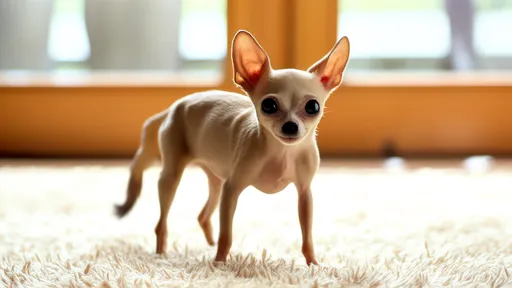
Chihuahuas, the smallest dog breed in the world, possess a high metabolic rate paired with a minimal body fat percentage. This combination makes them particularly susceptible to temperature fluctuations. Unlike larger breeds, their tiny frames lack the insulation needed to retain heat efficiently. When exposed to chilly environments, their bodies respond with rapid muscle contractions—shivering—to generate warmth. This involuntary reaction is a survival mechanism, but it often appears exaggerated due to their petite size. A light sweater or a cozy blanket can often mitigate this type of trembling, but it’s crucial to recognize when the shivering is more than just a response to the cold.
Fear as a Trigger for Trembling
Beyond physical cold, Chihuahuas are known for their big personalities packed into tiny bodies, and their emotional sensitivity is just as pronounced. Loud noises, unfamiliar environments, or even the presence of larger animals can trigger a fear response. When frightened, their bodies release adrenaline, preparing them for a "fight or flight" reaction. The surge of hormones can cause their muscles to tense and twitch, resulting in visible trembling. Unlike cold-induced shivers, fear-based trembling is often accompanied by other signs of anxiety—flattened ears, tucked tails, or attempts to hide. Comfort and gradual desensitization to stressors can help reduce these episodes over time.
The Overlooked Side: Excitement Tremors
Not all trembling is rooted in discomfort. Chihuahuas are fiercely loyal and often form intense bonds with their owners. The sheer excitement of reuniting with a favorite human or anticipating a walk can send them into a joyful frenzy. In these moments, their trembling is a physical manifestation of overflowing energy and enthusiasm. The key difference here is the accompanying body language—wagging tails, perked ears, and playful barks. While this type of shaking is harmless, it’s a reminder of how deeply this breed feels emotions, whether positive or negative.
When Trembling Signals Something More
While most trembling in Chihuahuas falls into the three categories above, persistent or severe shaking can sometimes indicate underlying health issues. Hypoglycemia, neurological disorders, or pain can also cause similar symptoms. If the trembling is accompanied by lethargy, vomiting, or disorientation, immediate veterinary attention is necessary. Owners should learn to differentiate between situational shivering and signs of illness, as early intervention can be critical for such a small and delicate breed.
Living with a Trembling Chihuahua
For those who share their lives with these tiny dynamos, understanding the root of their trembling is the first step toward providing appropriate care. Simple measures—like maintaining a warm environment, offering reassurance during stressful situations, and channeling their excitement through play—can go a long way in keeping them comfortable. Above all, recognizing that their quivers are often just another facet of their larger-than-life personalities helps foster a deeper bond between owner and pet.

By /Jun 12, 2025

By /Jun 12, 2025

By /Jun 12, 2025
By /Jun 12, 2025

By /Jun 12, 2025

By /Jun 12, 2025

By /Jun 12, 2025
By /Jun 12, 2025

By /Jun 12, 2025

By /Jun 12, 2025
By /Jun 12, 2025
By /Jun 12, 2025

By /Jun 12, 2025
By /Jun 12, 2025

By /Jun 12, 2025
By /Jun 12, 2025

By /Jun 12, 2025

By /Jun 12, 2025

By /Jun 12, 2025

By /Jun 12, 2025