The Corgi, with its distinctive stubby legs and elongated body, has long been a subject of both adoration and scientific curiosity. Among the many quirks that define this breed, two behaviors stand out particularly: an apparent fear of steps and an almost obsessive fascination with tunneling into tight spaces. These tendencies, far from being random, can be traced back to the unique biomechanics of the Corgi's low-slung physique.
The Physics of a Low Center of Gravity
At first glance, a Corgi's reluctance to climb stairs might seem like simple laziness or stubbornness. However, the reality is far more complex. Their disproportionately short limbs create a center of gravity that sits remarkably close to the ground. While this design provides exceptional stability on flat surfaces, it becomes a liability when faced with vertical challenges. Each step represents a significant percentage of their total leg length, requiring explosive muscular effort to overcome. For comparison, imagine a human attempting to climb stairs where each riser measures two feet tall - the exertion required would quickly become exhausting and potentially hazardous.
This anatomical reality manifests in observable stress behaviors when Corgis encounter staircases. Many will pause at the base, performing careful visual assessments before attempting ascent. Some resort to creative problem-solving, such as attempting to climb at an angle or using walls for support. The descent often proves even more problematic, as their forward-mounted weight distribution makes controlling downward momentum particularly challenging. It's not uncommon to witness Corgis opting for dramatic, all-four-paws-off-the-ground leaps when facing particularly daunting steps, a strategy that speaks volumes about their calculated risk assessment.
The Tunneling Instinct: An Evolutionary Holdover?
In stark contrast to their stairway hesitancy, Corgis demonstrate remarkable enthusiasm for burrowing into confined spaces. This behavior likely stems from their historical role as herding dogs in the Welsh countryside. The breed's low profile wasn't an aesthetic choice but a functional adaptation, allowing them to nip at cattle heels while avoiding retaliatory kicks. Their bodies evolved to dart quickly beneath livestock and navigate through dense underbrush - essentially moving through a landscape of vertical obstacles.
Modern domestic Corgis retain this instinctual drive, though it now manifests in decidedly suburban ways. Blankets become excavation sites, with dogs tunneling relentlessly until fully submerged. Closets and the space beneath furniture hold irresistible appeal, often serving as makeshift dens. This behavior isn't merely playful; it serves important psychological functions. The physical pressure from surrounding surfaces appears to have a calming effect, similar to weighted blankets used for human anxiety. Additionally, these self-created hideaways satisfy an innate need for secure observation points - a vestige of their herding days when monitoring the flock from protected positions was crucial.
Environmental Adaptation and Owner Accommodations
Responsible Corgi owners gradually acclimate their pets to necessary stair navigation through positive reinforcement training. This process often involves treating each successful step as a discrete achievement, building confidence through incremental challenges. Many find that installing carpeted stair treads or small ramps for frequently accessed areas significantly reduces canine stress. Some particularly dedicated owners even design custom miniature staircases with reduced riser heights specifically tailored to their pet's proportions.
The tunneling impulse requires different management strategies. Providing approved digging outlets - such as boxes filled with soft fabrics or specially designed canine caves - can satisfy the instinct while protecting household furnishings. Interestingly, these artificial tunnels often become preferred sleeping spots, with many Corgis demonstrating measurable preference for enclosed beds over open ones. The depth of nesting materials also appears significant, with most specimens continuing to dig until achieving a specific level of immersion, regardless of initial pile depth.
Comparative Perspectives in Canine Biomechanics
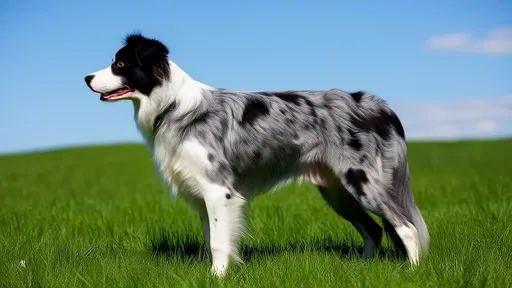
When placed alongside other breeds, the Corgi's behavioral adaptations become even more pronounced. Dachshunds, sharing the elongated body shape but with slightly longer legs, demonstrate intermediate stair navigation abilities. Basset Hounds, with their heavy bone structure and loose skin, face different challenges despite similar ground clearance. Meanwhile, breeds like Border Collies - built for agility and vertical leaps - showcase how dramatically body proportions influence movement strategies.
Veterinary physiotherapists note that Corgis often develop remarkably strong forelimbs relative to their size, a compensation for the extra workload in hauling their bodies upward. This muscular development sometimes leads to a characteristic rolling gait that further enhances their stability but reduces sprinting efficiency. The trade-offs inherent in their design create a fascinating case study in evolutionary compromise, where specialization for one environment (the pastoral landscape) creates both advantages and limitations in another (modern human dwellings).
Behavioral Implications Beyond the Physical
The psychological dimension of these adaptations shouldn't be overlooked. Repeated difficulties with environmental navigation can contribute to anxiety in some individuals, particularly those with negative early experiences. Conversely, successful mastery of physical challenges appears to boost problem-solving confidence, with observable carryover into other learning domains. Many trainers report that Corgis who receive proper stair training early show greater willingness to attempt novel physical challenges later in life.
The tunneling behavior similarly extends beyond simple physical preference. Ethologists suggest that the act of digging and nesting may trigger the release of calming neurotransmitters, functioning as a self-regulatory mechanism during stressful situations. This might explain why many Corgis retreat to their tunnels during thunderstorms or when encountering unfamiliar visitors. The depth of immersion often correlates with perceived threat levels, creating a measurable indicator of canine emotional states for observant owners.
Understanding these behaviors as logical adaptations rather than arbitrary quirks allows for more empathetic cohabitation. Simple modifications to living spaces - strategic placement of ramps, preservation of visual sightlines from favored hiding spots, provision of appropriate digging mediums - can significantly enhance a Corgi's quality of life. These accommodations honor the breed's working heritage while acknowledging the realities of contemporary pet ownership, creating environments where short legs and long bodies become features rather than limitations.

By /Jun 12, 2025
By /Jun 12, 2025

By /Jun 12, 2025

By /Jun 12, 2025

By /Jun 12, 2025

By /Jun 12, 2025

By /Jun 12, 2025

By /Jun 12, 2025

By /Jun 12, 2025

By /Jun 12, 2025
By /Jun 12, 2025

By /Jun 12, 2025

By /Jun 12, 2025
By /Jun 12, 2025

By /Jun 12, 2025
By /Jun 12, 2025

By /Jun 12, 2025

By /Jun 12, 2025

By /Jun 12, 2025

By /Jun 12, 2025